Guide
Starting a bhakti YouTube channel: recording katha and bhajans, Shorts, thumbnails and growth
A practical guide for katha speakers, bhajan and kirtan singers and temples: the equipment that's enough to start, recording tips, turning one satsang into many videos, and growing steadily.
- By the Braj Digital team
- Updated
- 8 min read
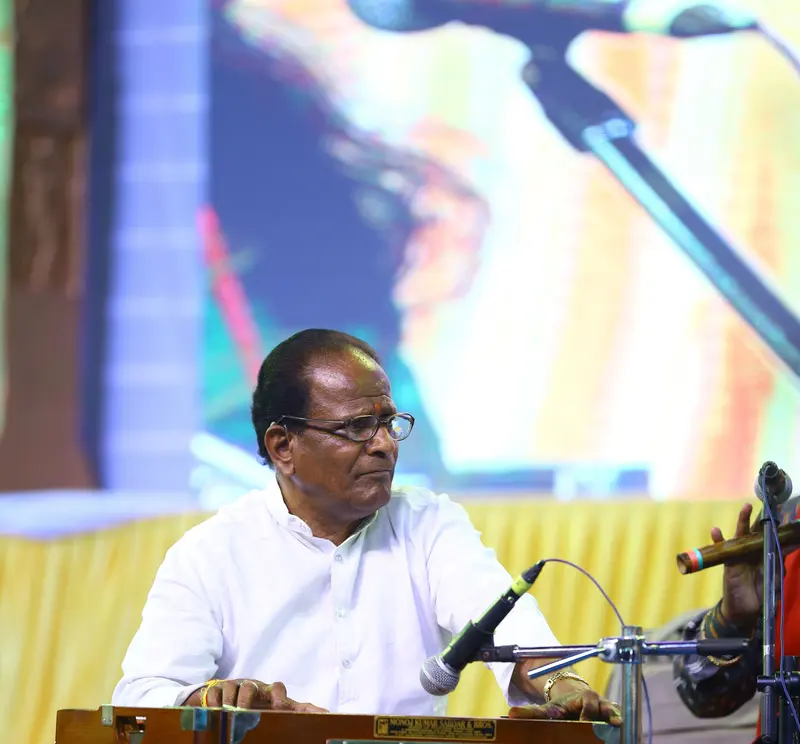
Katha, bhajan and kirtan have a huge, loyal audience online, and many successful channels began with nothing more than a phone and a microphone. What separates the channels that grow from those that stall is rarely the camera. It's clear sound, a steady schedule and videos packaged so people choose to watch them. This guide covers all three.
Start with sound, not the camera
Viewers will forgive a simple picture, but not sound they can't hear. For katha and pravachan, a lapel (clip-on) microphone on the speaker makes the biggest single difference. For bhajan and kirtan, take a feed from the sound system's mixer if there is one, and always record a backup on a second device.
Equipment that's enough to start
- A recent phone on a sturdy tripod, recording in landscape for long videos
- A lapel microphone (wired or wireless) for the speaker
- A soft LED light for evening satsang, placed to the side rather than straight in the eyes
- A power bank and plenty of free storage: a two-hour katha fills a lot of space
- Later: a second camera for a wide shot of the gathering, so the edit can cut between angles
Recording a katha or satsang
- Frame the speaker from the chest up for the main angle, with a wide angle of the hall as the second.
- Ask the temple or organisers about their rules on filming before the day.
- Be respectful of devotees in the frame: avoid close-ups of people who haven't agreed to be filmed.
- Note the times of strong moments (a story's climax, a bhajan, a key teaching) while recording. It saves hours in the edit.
One recording, many videos
A single two-hour katha can become a full-length video with chapters, five to ten Shorts from the strongest moments, a bhajan clip, a few quote cards for Instagram and WhatsApp, and an audio version for listeners who prefer it. This is how established channels publish every day without recording every day.
Titles, thumbnails and descriptions
- Honest titles that say what the video is: the katha, the episode, the place and the day.
- Clear thumbnails: the speaker's face or the deity's image, with three or four large words readable on a phone.
- Descriptions in Hindi and English, with chapters and the katha or series name, so people searching in either language find you.
- Playlists by katha, series or festival, so one video leads to the next.
Tip: Use your own recordings. Other people's bhajan recordings and background music can bring copyright claims that block or demonetise a video; YouTube's Audio Library has music you can use freely.
Consistency beats going viral
A schedule you can keep, such as one full video and three Shorts a week, grows a channel more reliably than chasing a viral video. Plan around the Braj calendar: Janmashtami, Radhashtami, Holi, Kartik and Guru Purnima bring the most searches, so have content ready before each one, and go live on festival days when you can.
When to get help
When recording, editing, Shorts, thumbnails and uploads start taking more time than the satsang itself, it's worth handing them over. Braj Bhakti is our complete service for bhakti creators, temples and spiritual organisations: shooting, editing, Shorts, thumbnails, YouTube publishing and promotion, in monthly plans from ₹10,000 (advertising spend is separate).